The Grand Tour represents one of the earliest forms of cultural travel in Europe and played a crucial role in shaping the tradition of collecting that continues to this day.
From the late 17th to the 18th century, it became customary for young aristocrats—particularly from Britain—to travel across Europe as part of their education. These journeys were not merely about sightseeing; they were intended to refine taste, expand knowledge, and establish cultural sophistication.
Italy stood at the heart of the Grand Tour. Cities such as Rome, Florence, and Naples offered access to the remains of classical antiquity, Renaissance masterpieces, and a vibrant artistic culture that deeply influenced European taste.
As travel became more accessible—thanks to improved roads, guidebooks, and infrastructure—the number of travellers increased. Alongside this growth came a rising demand for objects that reflected the experience of travel itself.

Naples Archaeological Museum, Naples, Italy. Complete indexed photo collection at WorldHistoryPics.com.
From Travel to Collecting
The Grand Tour marked the beginning of a new kind of collecting.
Travellers did not simply observe—they acquired. Paintings, sculptures, antiquities, and finely crafted objects became tangible memories of their journeys and symbols of cultural refinement.
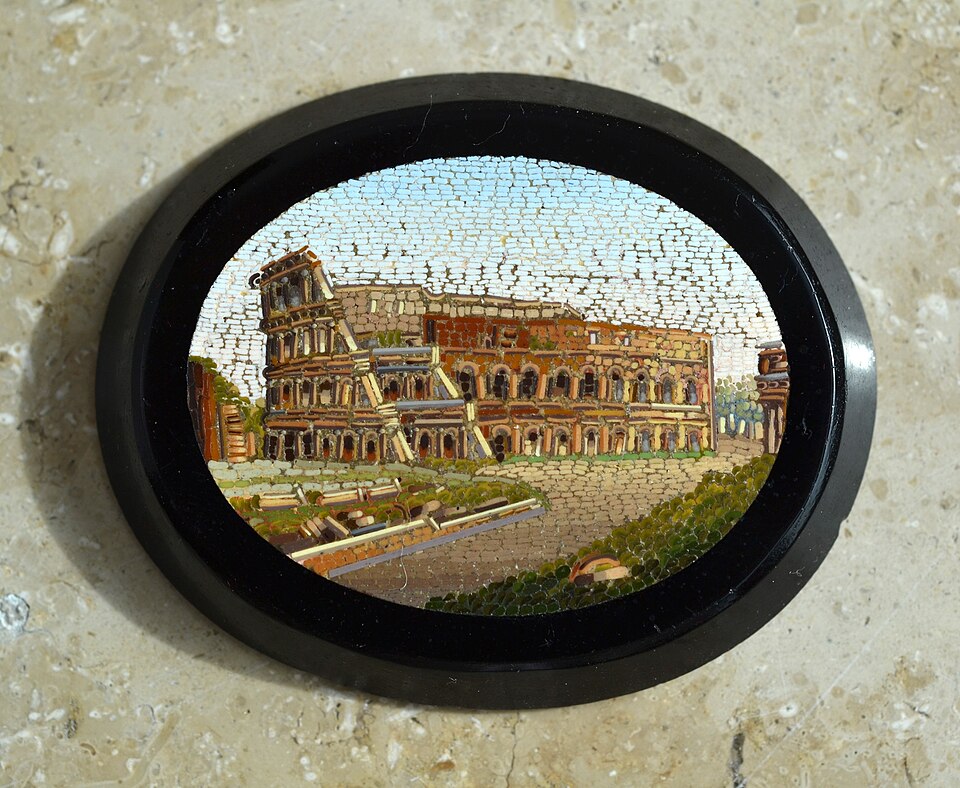
Italian workshops and artists responded quickly to this demand. A flourishing market developed, producing works ranging from large-scale paintings of romanticised ruins to highly detailed micromosaics, cameos, and intaglios.
These objects were not merely souvenirs; they were carefully chosen pieces that reflected education, taste, and status.
At the same time, archaeological discoveries at sites such as Pompeii and Herculaneum captured the imagination of Europe. Newly unearthed objects entered the market, further stimulating interest in classical antiquity and laying the foundations of the modern art trade.
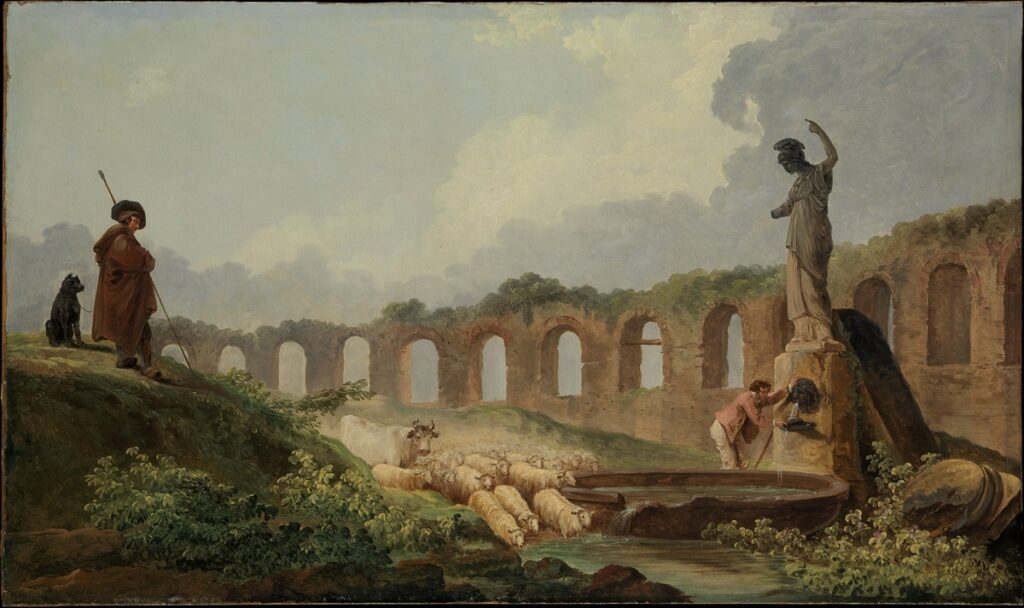
The Met Fifth Avenue, 1000 Fifth Avenue, New York – USA.
A Lasting Influence
The influence of the Grand Tour on collecting cannot be overstated.
It established a lasting appreciation for classical art and design, encouraged the circulation of objects across Europe, and shaped the way collections were formed. Many of the great European collections—and museums—owe their origins to this period.
Even today, objects associated with the Grand Tour continue to attract collectors. Micromosaics, cameos, and Grand Tour views remain highly sought after for their craftsmanship, historical significance, and timeless aesthetic appeal.
Key Figures in the Grand Tour Art Market
Thomas Jenkins (c. 1722–1798)
Based in Rome, Jenkins was a central intermediary for British collectors. Acting as a guide, dealer, and advisor, he sourced important works of art and antiquities, helping to shape some of the most significant collections of the 18th century.
Charles Townley (1737–1805)
One of the most influential collectors of his time, Townley assembled an exceptional collection of classical sculpture during his travels in Italy. His collection now forms a cornerstone of the British Museum.
Craftsmanship and Production
The demand created by Grand Tour travellers led to the rise of specialised workshops across Italy.
Artists such as Giacomo Raffaelli produced exceptionally refined micromosaics, often of remarkable detail and quality. Others, like Antonio Aquatti, created smaller and more accessible pieces for a wider audience. Gem engravers such as Benedetto Pistrucci contributed to the popularity of cameos and intaglios, combining classical inspiration with technical innovation.
These objects—once acquired as personal mementos—are now valued as important examples of 18th-century craftsmanship and collecting culture.
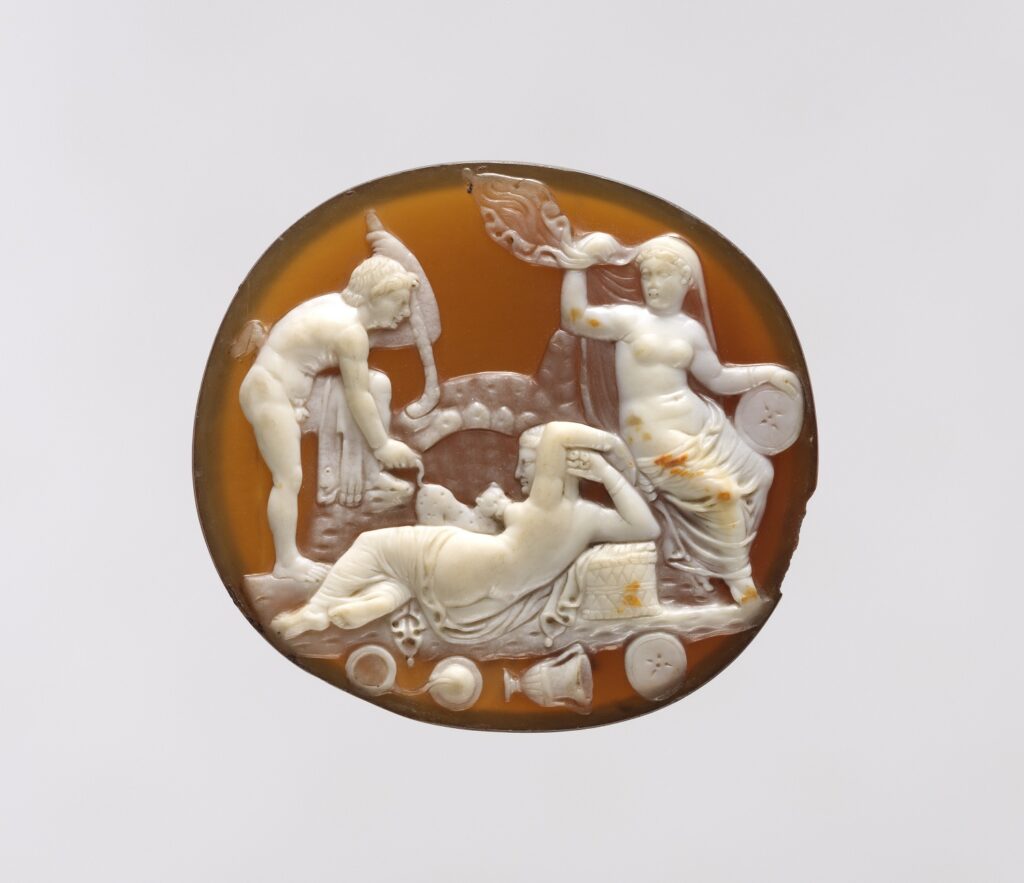
The Met Fifth Avenue, 1000 Fifth Avenue, New York – USA.
Sources
- Wilton, Andrew and Ilaria Bignamini, Grand Tour: The Lure of Italy in the Eighteenth Century
- Black, Jeremy, The British Abroad: The Grand Tour in the Eighteenth Century