
Imagine a young English gentleman arriving in Naples around 1780 during his Grand Tour. He admires the magnificent ancient vases and marble sculptures he encounters, yet soon realises that they are expensive, fragile and difficult to transport. Instead, he purchases a finely carved gemstone – a cameo or an intaglio. Small, elegant and rich in classical symbolism, it becomes both a lasting souvenir of his travels and a visible sign of his education and refined taste.
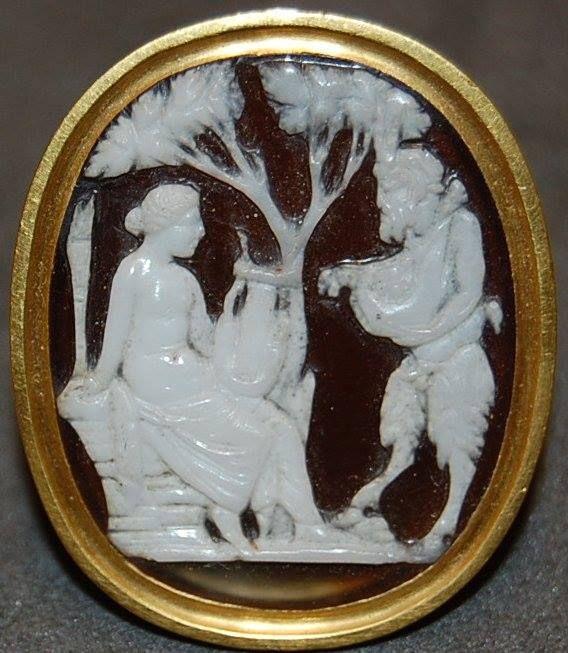
During the eighteenth century, the Grand Tour formed an essential part of the education of Europe’s aristocracy. Rome, Naples and Florence were regarded as the centres of classical civilisation. Travellers immersed themselves in the art and culture of ancient Greece and Rome, which were considered the foundations of good taste, learning and civilisation.
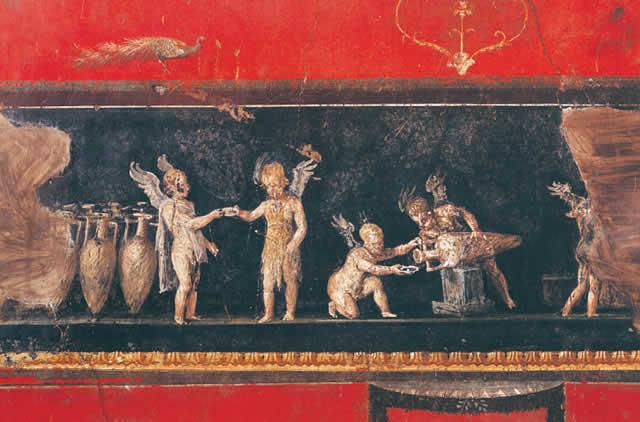
The spectacular excavations of Pompeii and Herculaneum from the mid-eighteenth century onwards further fuelled Europe’s fascination with classical antiquity. Frescoes, sculptures, mosaics and jewellery emerged from centuries of burial beneath volcanic ash, inspiring artists, designers and gem engravers throughout Europe. Scenes depicting Cupid, mythological figures and the Olympian gods became particularly fashionable. The famous frescoes from the House of the Vettii at Pompeii frequently served as models for newly carved cameos.
Cameos were not collected solely by gentlemen. Fashionable ladies proudly wore shell, coral and lava cameos as brooches, pendants, bracelets and hair ornaments. Lava cameos, carved from the volcanic rock of Mount Vesuvius, became especially popular as elegant reminders of a visit to Italy. Wearing a cameo signalled that one was well travelled, cultured and familiar with the classical worl
Under Napoleon Bonaparte, the Neoclassical style reached new heights. His Italian campaigns brought numerous ancient works of art to France and strengthened the European fascination with classical antiquity. During his reign, the art of gem engraving also flourished. Napoleon’s Coronation Crown, created for his imperial coronation in 1804, incorporates several ancient Roman cameos and engraved gemstones, deliberately linking his rule with the legacy of the Roman emperors.
Among the finest gem engravers of the eighteenth century were Lorenz Natter, Jacques Guay and Giovanni Pichler. Their work was highly prized by royalty, aristocrats and discerning collectors across Europe.
One of the greatest collectors of cameos was Catherine the Great of Russia. She assembled an extraordinary collection, including works by the English brothers William and Charles Brown. Much of this remarkable collection can now be admired in the State Hermitage Museum in St Petersburg. Catherine also acquired thousands of casts produced by the Scottish artist James Tassie, whose remarkably accurate reproductions of ancient cameos and intaglios enabled collectors and scholars to study masterpieces that were otherwise inaccessible.
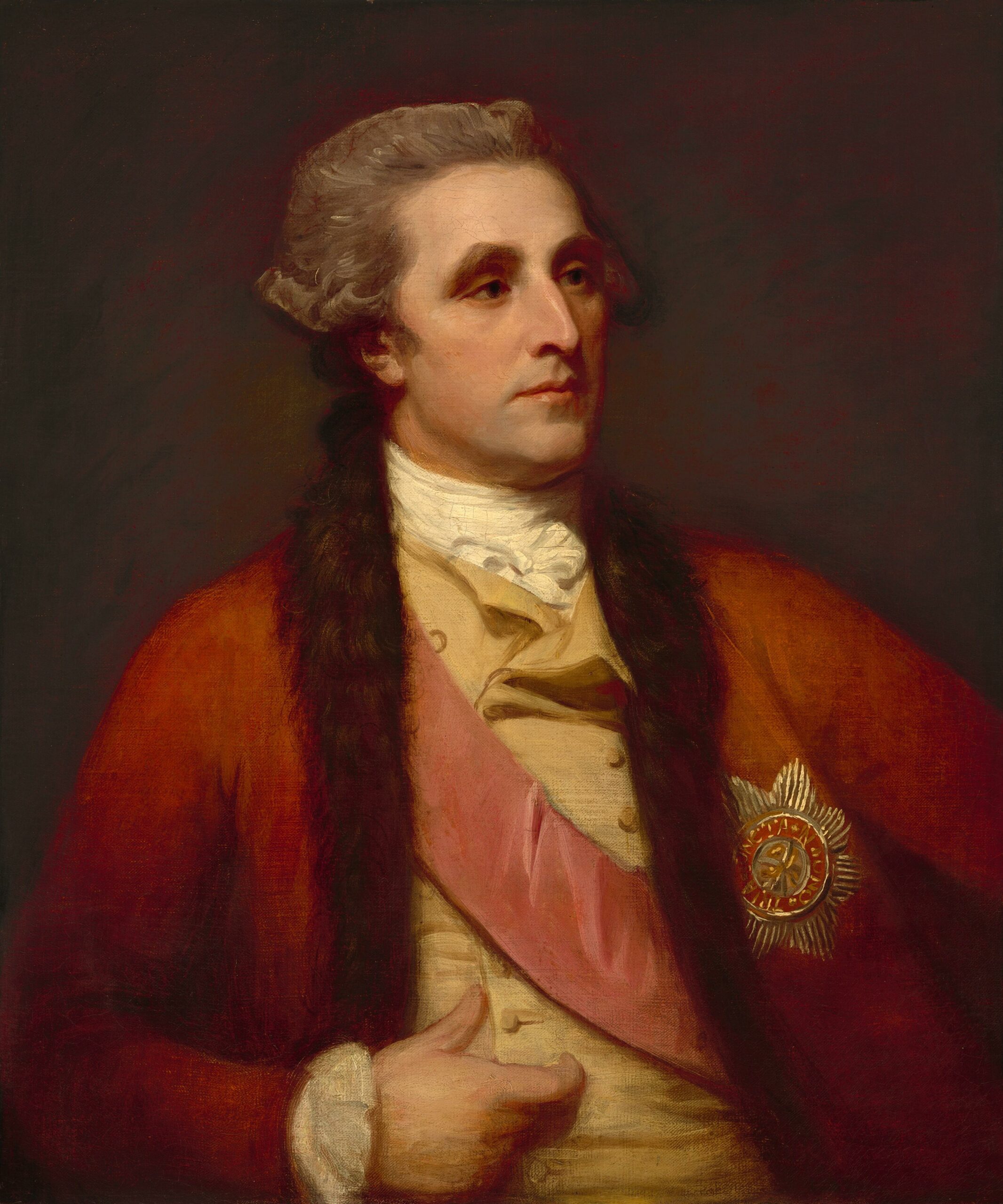
Another central figure was Sir William Hamilton (1730-1803), British Ambassador to the Kingdom of Naples. As a diplomat, antiquarian and volcanologist, he enjoyed exceptional access to the excavations at Pompeii and Herculaneum. His publications and collections greatly increased British enthusiasm for classical antiquities. His celebrated collection of Greek vases and other antiquities now forms an important part of the British Museum’s holdings.
By the late eighteenth century, new manufacturing techniques made cameos affordable to a much wider audience. James Tassie produced high-quality reproductions of celebrated engraved gems, while Josiah Wedgwood introduced classical designs in his famous jasperware. These innovations allowed collectors of more modest means to appreciate the beauty of classical art.
The history of cameos and intaglios stretches back much further. Intaglios were already being produced in ancient Egypt, while cameos reached their artistic peak during the Hellenistic period of ancient Greece. These miniature works of art are far more than decorative objects. They preserve the fashions, hairstyles, beliefs and artistic ideals of the societies that created them. For that reason, cameos and intaglios remain among the most fascinating surviving witnesses to more than two thousand years of cultural history.
Sources
- Anna M. Miller, G.G., Cameos – Old & New, 3rd Edition
- Ian Jenkins and Kim Sloan – Vases & Volcanoes, Sir William Hamilton and his Collection